For a remote team, a retreat isn't a perk. It's often the only time everyone's in the same room. That makes every hour of a remote team retreat more valuable, and it changes how you should plan it. We plan these for a living, so if you want a guide through it, drop us a line.
Choosing a remote team retreat destination
Map where your team lives and pick somewhere with direct flights from most of those cities. Hubs like Chicago, Nashville, and Austin keep travel fair for everyone. Quick fact: airfare is the biggest swing factor in a remote team retreat budget so choose wisely.
Prioritize connection over content
Your team can share slides any day of the week. What they can't do remotely is have dinner together, work a hard problem at a whiteboard, or laugh at the same thing in the same room. Build your remote team retreat around those moments.
Do the work that's hard to do remotely
- Big-picture strategy and planning.
- Cross-team problem solving.
- Honest conversations about how the team works together.
A sample remote team retreat agenda
- Day one: staggered arrivals, a relaxed welcome activity, dinner together.
- Day two: strategy and problem solving in the morning, a shared experience in the afternoon, a standout dinner.
- Day three: commitments, a closing session, flights home.
Three days is a good default. Travel eats into the first and last day, so a shorter remote team retreat can leave almost no time together.
Leave room for the unplanned
Remote teams especially value unstructured time. Long meals and free afternoons build the relationships that make remote work easier afterward.
Making everyone feel included
- Mix teams and time zones at breakouts and dinner.
- Pick activities everyone can do.
- Give quieter people structured ways to contribute.
- Think about dietary needs, accessibility, and caregiving when you set dates.
Handle the logistics carefully
Remote teams arrive from everywhere at different times. Collecting travel details, coordinating transfers, and keeping everyone in the loop is a real job. Keep it all in one place so nobody's digging through email. Pro tip: cluster arrivals to save on ground transport.
Remote team retreat budget
For 2027 we're projecting $2,500 to $6,500+ per person for a typical retreat. Breakdown: corporate retreat cost.
Make it last
Share photos, notes, and commitments in your usual channels afterward, and set the date for next year.
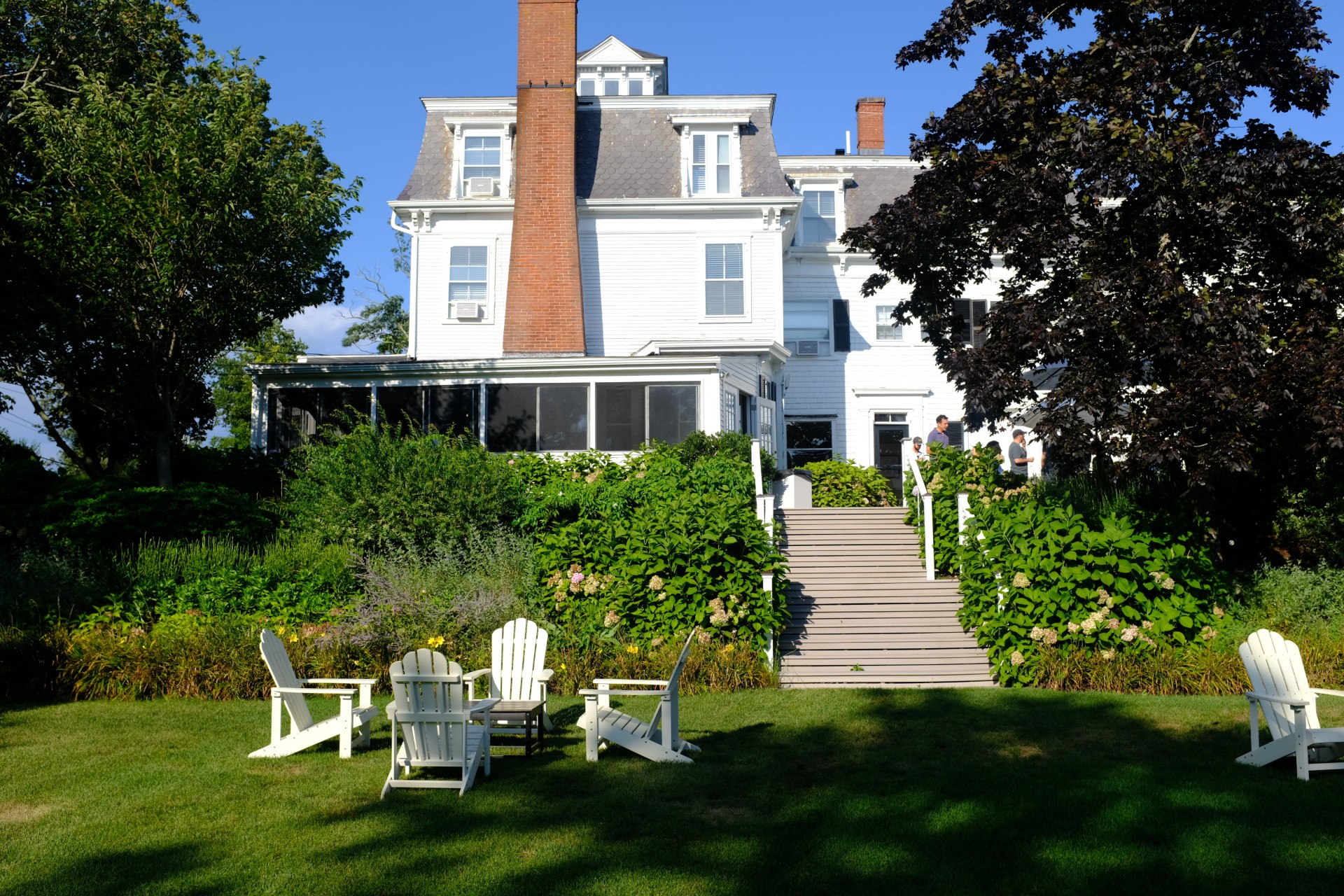
We planned a three day retreat on Cape Cod for a 15-person remote team that uncovered connections they never would have made over video calls. See how we plan company retreats. Side note: we charge a flat fee for our planning services (it starts at $8,000 and is often offset by the cost savings we generate). If you're evaluating retreat planners, make sure you ask if they take commissions (translation: if they're hoping your retreat costs more than it needs to).