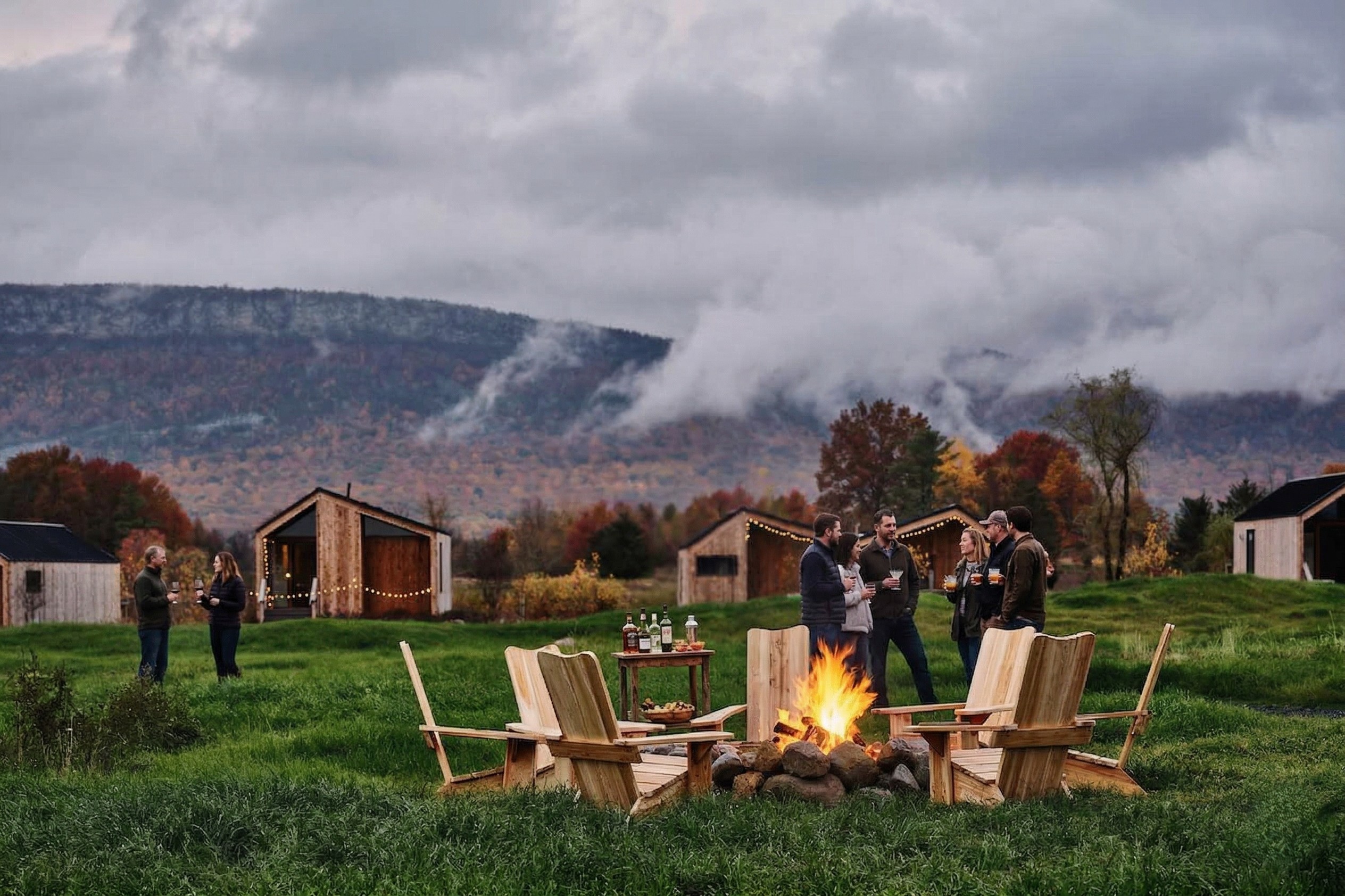
Most corporate retreats in 2026 cost between $2,000 and $6,000+ per person, all in. For a team of 40 you probably spent between $80,000 and $240,000, which is mostly dependent on where you went and where you stayed. In 2027, that number is going up. We're projecting 2027 will see between $2,500 and $6,500+ per person ($100,000 to $260,000 for a 40 person team).
This guide breaks down where the money actually goes when you host a corporate retreat, what pushes a corporate retreat budget up or down, and how to plan a corporate retreat that feels generous without wasting money. We plan these for a living, so if you want a guide through it, drop us a line. Side note: we charge a flat fee for our planning services (it starts at $8,000 and is often offset by the cost savings we generate). If you're evaluating retreat planners, make sure you ask if they take commissions (translation: if they're hoping your retreat costs more than it needs to).
2027 corporate retreat cost: $2,500 to $6,500+ per person ($100,000 to $260,000 for a 40 person team)
For a typical three day domestic retreat in 2027, plan for roughly:
- $2,500 to $3,500 per person for a drive-to destination, a comfortable hotel or resort, and a simple program.
- $3,500 to $6,500 per person for a fly-in destination, a well-known resort or nicer boutique property, and a full program with group dinners and experiences.
- $6,500+ per person for premium venues, international destinations, or incentive-style trips where the experience itself is the reward.
Quick fact: lodging is usually your biggest expense, but airfare is usually the biggest swing factor. One helpful tip: save on ground transport by clustering flight arrivals.
Where your corporate retreat budget actually goes
Lodging
Rooms are the biggest line on almost every corporate retreat budget. The number of nights matters more than people expect. Add a night and you've added a night of rooms, a day of meals, and probably another activity.
Food and beverage
Group meals add up fast, and most hotels attach a food and beverage minimum to their meeting space. Translation: you're committing to spend a set amount on catering before you've picked a single menu. Then add service charges and tax on top.
Meeting space and AV
Sometimes included when you book enough rooms and meals. Sometimes not. Projectors, mics, and screens are where hotels quietly make money if nobody negotiates them up front.
Activities and experiences
This is what people remember, and it's also where a corporate retreat cost can quietly balloon. One great shared experience beats four average ones every time.
Ground transportation
Airport transfers and shuttles to off-site dinners. Easy to forget, expensive to fix last minute. Cluster those arrivals (and departures).
Planning and on-site support
Either a planning fee you can see or a commission you can't. More on that below.
What makes a corporate retreat cost more
- Peak dates. Spring and fall are popular for a reason, and pricing follows demand.
- Short lead time. Book late and the venue chooses you, not the other way around.
- Weekends at leisure destinations. Resorts price weekends higher because they fill with vacationers.
- Too many paid activities. More cost, more rushing, less connection.
Sample corporate retreat budgets at three levels
Here's how the same 40-person, three day corporate retreat can look at each level. Illustrations, not quotes.
The drive-to retreat ($2,500 to $3,500 per person)
A resort a few hours away, two nights, meals mostly on property, one dinner out, one shared activity, no airfare. Midwest teams heading to places like Lake Geneva or Michigan live here.
The fly-in retreat ($3,500 to $6,500 per person)
A destination like Scottsdale or Nashville, three nights, a welcome dinner, a standout dinner, a signature experience, and transfers.
The premium or international retreat ($6,500+ per person)
Luxury resorts, international destinations, upgraded rooms, and recognition moments. This is incentive trip territory.
Five ways to lower your corporate retreat cost (without it feeling cheaper)
- Go midweek. Tuesday through Thursday often prices well below weekends.
- Pick shoulder season. The weeks just outside peak bring good weather and better rates.
- Cut a night. A tight three day program beats a loose four day one.
- Let the venue do the work. Meeting space, dining, and activities on one property means fewer vendors and less transportation.
- Spend on one great moment. Not five forgettable ones.
Corporate retreat costs teams forget to budget
- Resort fees and local taxes on top of room rates.
- Service charges on food and beverage.
- AV and Wi-Fi upgrades for big groups.
- Transfers between the airport, the hotel, and off-site dinners.
- Early arrival nights for people flying in from far away.
- Gratuities for guides, drivers, and servers.
Planning fees vs. commissions
A lot of planners and travel companies will tell you their services are free. They're not. They're paid commissions by the hotels and vendors they book, which means they make more when you spend more, and their recommendations can lean toward maximizing their commission. Your corporate retreat cost goes up and you never see why.
We work differently. We never take commissions, referral fees, or markups from venues or vendors. You see every number. Planning with Meet&Retreat starts at $8,000, and every proposal includes a complete corporate retreat budget before you commit to anything.
How to build your corporate retreat budget
- Start with headcount and number of nights.
- Decide what the retreat needs to do. That tells you if you need meeting space, a big experience, or both.
- Compare two or three destinations on total cost, not room rates.
- Add a 10 percent cushion for headcount changes and surprises.
Want the line items? Grab our corporate retreat budget template. Want someone to just handle it? That's what we do.