A leadership retreat is one of the most expensive meetings your company will hold, measured in the time of its most expensive people. So it should change something: a strategy, a set of priorities, or how the leadership team works together. Here's how to plan a leadership retreat that does. We plan these for a living, so if you want us to handle it, drop us a line.
*If you're reading this because leadership decided to host a retreat next month and you don't know where to start, get in touch with us. We offer rush planning for retreats <30 days away.
Define the leadership retreat in one sentence
"Agree on our three priorities for next year." "Reset how we make decisions." "Rebuild trust after the reorg." If you can't write that sentence, you're not ready to book the leadership retreat.
Who should be at a leadership retreat
The people who own the decisions. That's it. Observers change how candid people are. If others need the outcome, send them a summary.
Keep it small and private
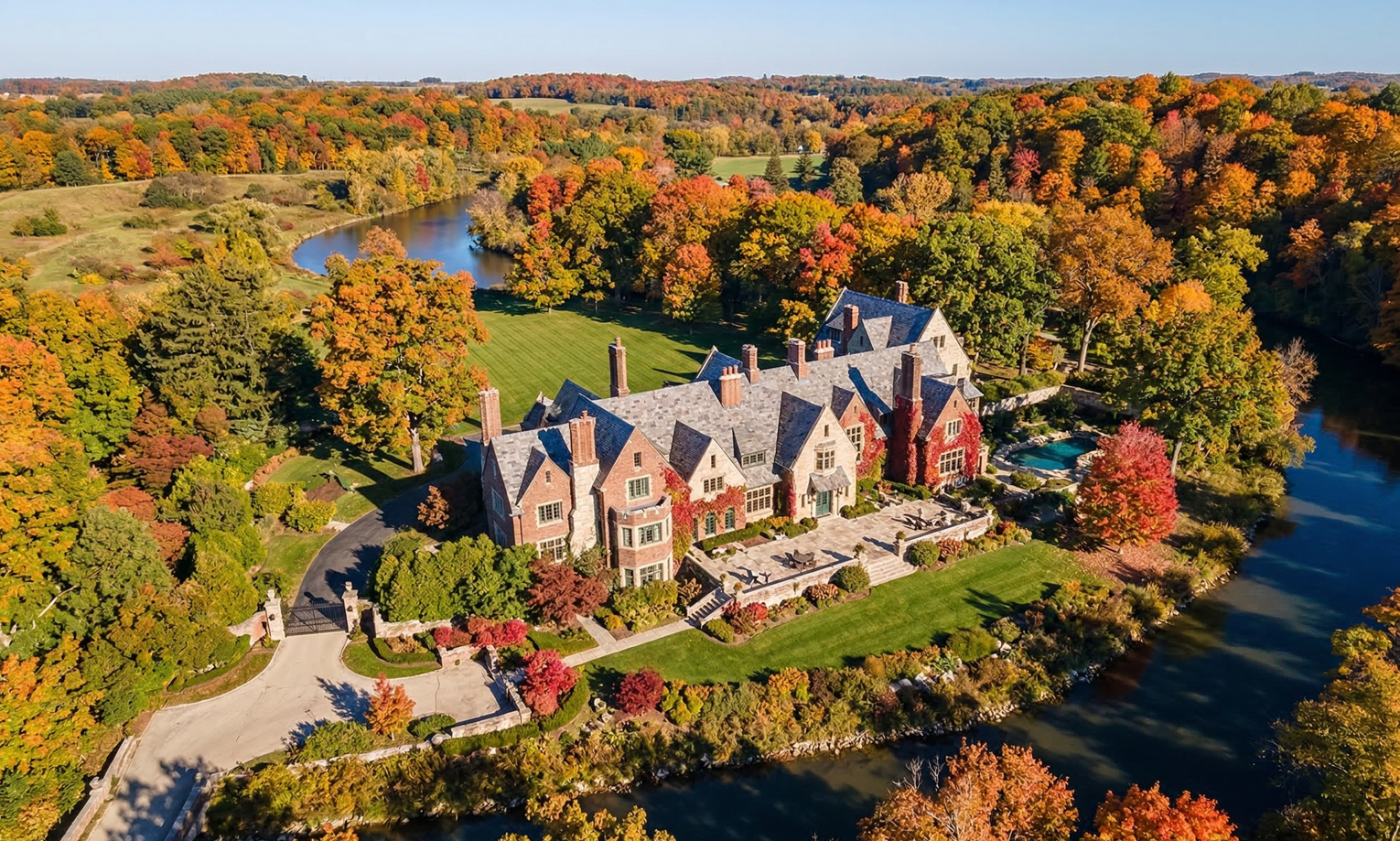
Pick a venue with privacy: a resort with a private meeting room, a villa, or a property that feels removed from everyday life.
Pick a leadership retreat setting that slows people down
Napa Valley and Kohler work because the pace is slower and the setting is self-contained. Fewer logistics, more focus.
How long a leadership retreat should be
Two to three days. Enough for one or two big decisions, a shared experience, and real conversation, without pulling your whole senior team away for a week. We actually like weekends a lot for these too.
Designing leadership retreat sessions
- Pre-reads a week ahead so time together is spent deciding.
- Start with an honest view of where the business stands.
- Spend most of the time on the one or two decisions that matter most.
- Bring in an outside facilitator if leadership needs to participate fully.
- End with commitments: owner, date, and how progress gets shared.
Ready-made structure: our leadership retreat agenda.
What to put in the pre-reads
- A one-page view of where the business stands.
- The decisions on the table, with options and tradeoffs.
- The data people need to form a view.
- A request for each leader to show up with a position.
Make it safe to be candid
Set ground rules up front: what's said in the room stays there (welcome to Vegas...), disagreement is welcome, and decisions get made by the end. Pro tip: the CEO speaks last on big topics so everyone else says what they actually think.
Don't skip the human side
Leadership teams almost never get unstructured time together. A long dinner or a shared experience builds the trust that makes hard conversations easier. See leadership retreat activities that don't feel forced.
Leadership retreat mistakes
- Turning it into status updates.
- Inviting too many people. Big one.
- Dodging the hard conversation the retreat was for.
- Leaving without written commitments.
Follow through
Within a week, share decisions and owners with whoever needs to know. Put a check-in on the calendar 30 to 60 days out (or pre-scehdule a follow up leadership retreat, it really helps to make these recurring).
When leaders are also the organizers, they can't fully show up. We plan leadership retreats end to end and we're on site (in the background and under NDA) for every one. See our retreat planning. Side note: we charge a flat fee for our planning services (it starts at $8,000 and is often offset by the cost savings we generate). If you're evaluating retreat planners, make sure you ask if they take commissions (translation: if they're hoping your retreat costs more than it needs to).